How Much Does Ceramic Coating Cost?
Release time:2025-10-24
Ceramic coatings have become a popular choice for protecting a variety of products, from cars to kitchenware, due to their durability, ease of cleaning, and long-lasting protection. However, one of the most common questions people ask when considering a ceramic coating is: How much does it cost? In this blog, we will break down the costs associated with ceramic coatings for different products, discuss the best options available, and highlight the benefits and uses of ceramic coatings. Additionally, we will introduce SPCERA’s vacuum-insulated bottles, which combine excellent hermetic seals with durable ceramic coatings to provide enhanced value and longevity.
What is Ceramic Coating?
-What is ceramic coating made of?
-How long does ceramic coating last?
How much will it cost for ceramic coating?
-How much does it cost to put a ceramic coating on a car?
-Best ceramic coating for vacuum bottle price
What is the best ceramic coating?
-What is ceramic coating used for?
-What are the benefits of ceramic coating?
Why is a Hermetic Seal Important for Vacuum Insulated Bottles?
-How a good seal helps maintain temperature stability in hot and cold beverages
-The impact of a strong seal on the longevity and hygiene of your bottle
Reliable glass-to-metal seal manufacturers recommended
FAQs
-How to diy ceramic coating
-What is a vacuum insulated bottle?
-How to apply ceramic coating
What is Ceramic Coating?
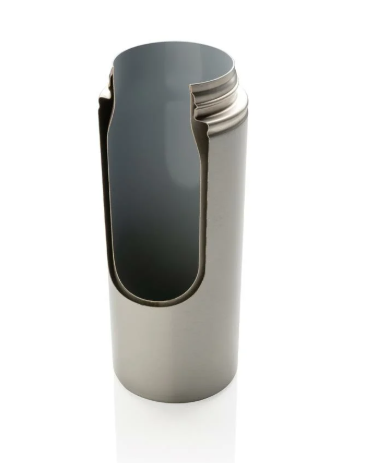
Ceramic coating is a liquid polymer applied to a surface, which then chemically bonds with the substrate to form a protective layer. This protective coating acts as a barrier against various elements such as water, dirt, UV rays, and scratches. Ceramic coatings are often used in the automotive industry but have expanded to consumer products like kitchenware, electronic devices, and even vacuum-insulated bottles.
What is Ceramic Coating Made of?
Ceramic coatings are primarily made from silica (SiO2), also known as silicon dioxide, which creates a tough, hydrophobic layer on the surface when applied. This hydrophobic property allows the surface to repel water and contaminants, making cleaning easier and more effective. In addition to silica, ceramic coatings often contain polymers, resins, and other ingredients designed to enhance the performance, durability, and longevity of the coating.
How Long Does Ceramic Coating Last?
The lifespan of ceramic coatings depends on the type of product and its exposure to various elements. For example, in the automotive industry, ceramic coatings can last anywhere from 2 to 5 years with proper maintenance. For household items such as vacuum-insulated bottles, the lifespan of the ceramic coating can also vary but typically lasts longer due to the less harsh environment they are exposed to.
Proper care is essential for extending the lifespan of a ceramic coating. For example, regular cleaning and avoidance of abrasive cleaning methods can significantly increase the longevity of the coating. Additionally, using a high-quality ceramic coating product designed for the specific application ensures a longer-lasting protective layer.
How Much Will It Cost for Ceramic Coating?
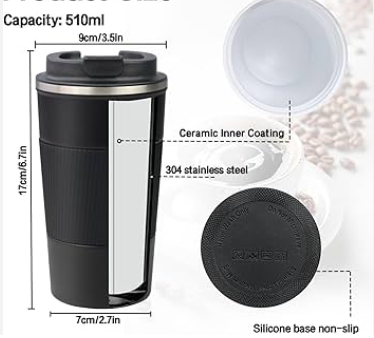
The cost of applying a ceramic coating depends on several factors, including the product being coated, the quality of the coating, and whether you choose a DIY approach or hire a professional to apply it. Below, we break down the typical costs for ceramic coatings on cars and vacuum-insulated bottles.
How Much Does It Cost to Put a Ceramic Coating on a Car?
Applying a ceramic coating to a car involves several factors that can influence the price. Here’s a breakdown of the costs you can expect:
1.DIY Ceramic Coating Kits: For the budget-conscious, DIY kits are an affordable option. These kits typically range from $30 to $150, depending on the brand and the number of applications the kit can handle. DIY kits often come with the necessary tools, including the coating solution, applicators, and instructions. While these kits can offer good protection, they may not provide the same level of durability and finish as a professional application.
2.Professional Ceramic Coating: Professional-grade ceramic coating services tend to be more expensive, ranging from $500 to $2,000. This cost typically covers the entire car and includes a thorough preparation process, such as paint correction and surface cleaning, before the coating is applied. Many professional services also offer warranties for the coating, which guarantees long-lasting protection.
The price of professional ceramic coating depends on factors such as the size of the vehicle, the brand of coating used, and whether the service includes additional detailing steps. Professional applications generally last longer and provide a smoother, more durable finish compared to DIY solutions.
Best Ceramic Coating for Vacuum Bottle Price
Ceramic coatings for vacuum-insulated bottles are typically much more affordable compared to coatings for cars. These coatings are designed to enhance the bottle's durability, scratch resistance, and temperature retention capabilities. Here’s what you can expect:
1.Ceramic Coatings for Bottles: The price for ceramic coatings on vacuum bottles typically ranges from $10 to $30. These coatings are more affordable because the surface area to be coated is much smaller compared to a car, and the coating itself is designed to be thinner but still effective at improving the bottle's performance.
2.SPCERA Vacuum Insulated Bottles: SPCERA’s vacuum-insulated bottles are designed with exceptional hermetic seals and durability, which help reduce the need for frequent reapplication of ceramic coatings. The strong seal in SPCERA bottles enhances the overall longevity of the coating, making the bottles more cost-effective in the long run. With these advanced features, the need for frequent maintenance or coating reapplication is significantly reduced, saving you money over time.
The ceramic coating on SPCERA vacuum bottles helps improve temperature stability, ensuring that your drinks stay hot or cold for extended periods, while also providing scratch resistance and easy-to-clean surfaces.
What is the Best Ceramic Coating?
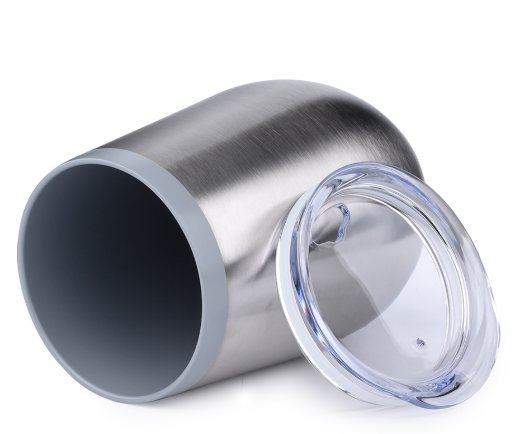
Choosing the best ceramic coating depends on the specific use case. Here are some factors to consider when selecting the best product:
What is Ceramic Coating Used For?
Ceramic coatings are used in a wide range of applications due to their protective properties. Some of the most common uses include:
1.Automotive: Protects car paint from dirt, water, and UV damage. It enhances the vehicle’s appearance and reduces the frequency of cleaning.
2.Household Products: Applied to items like cookware, vacuum bottles, and electronics to increase durability, cleanliness, and thermal insulation.
3.Industrial Applications: Protects tools, machinery, and industrial equipment from wear and corrosion, reducing the need for repairs and maintenance.
4.Electronics: Used on smartphone screens, laptops, and other devices to improve scratch resistance and prevent damage from moisture.
What Are the Benefits of Ceramic Coating?
There are many benefits to using ceramic coatings, including:
1.Durability: Ceramic coatings provide long-lasting protection against scratches, dirt, and grime.
2.Hydrophobic Properties: The coating repels water and contaminants, making cleaning much easier and more effective.
3.UV Protection: Protects surfaces from harmful UV rays, preventing fading and discoloration over time.
4.Scratch Resistance: Adds a hard, durable layer that resists scratches and scuffs.
5.Temperature Retention: In the case of vacuum-insulated bottles, ceramic coatings improve the bottle’s ability to retain the temperature of beverages, keeping drinks hot or cold for longer.
Why is a Hermetic Seal Important for Vacuum Insulated Bottles?
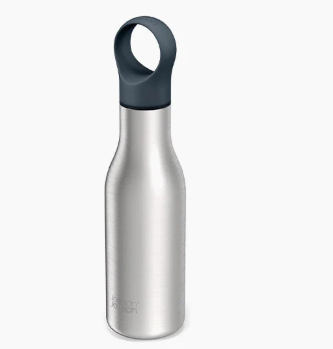
A hermetic seal is a crucial feature in vacuum-insulated bottles, ensuring that the bottle remains airtight and watertight. This seal is essential for maintaining the bottle’s insulating properties and ensuring that the contents of the bottle stay at the desired temperature for extended periods.
How a Good Seal Helps Maintain Temperature Stability in Hot and Cold Beverages
A strong hermetic seal prevents the entry of air into the bottle, which helps maintain the temperature of hot and cold beverages. Without a proper seal, the internal temperature of the bottle can fluctuate, reducing its insulating effectiveness. A good seal ensures that your hot drinks stay hot and cold drinks stay cold for longer periods.
The Impact of a Strong Seal on the Longevity and Hygiene of Your Bottle
In addition to improving thermal stability, a good hermetic seal helps maintain the hygiene of your bottle. By preventing moisture, bacteria, and contaminants from entering, the seal helps ensure that the bottle remains clean and safe for use over time. Additionally, SPCERA’s vacuum-insulated bottles, with their superior hermetic seals, reduce the need for frequent reapplication of ceramic coatings, saving you money on maintenance costs.
Reliable Glass-to-Metal Seal Manufacturers Recommended
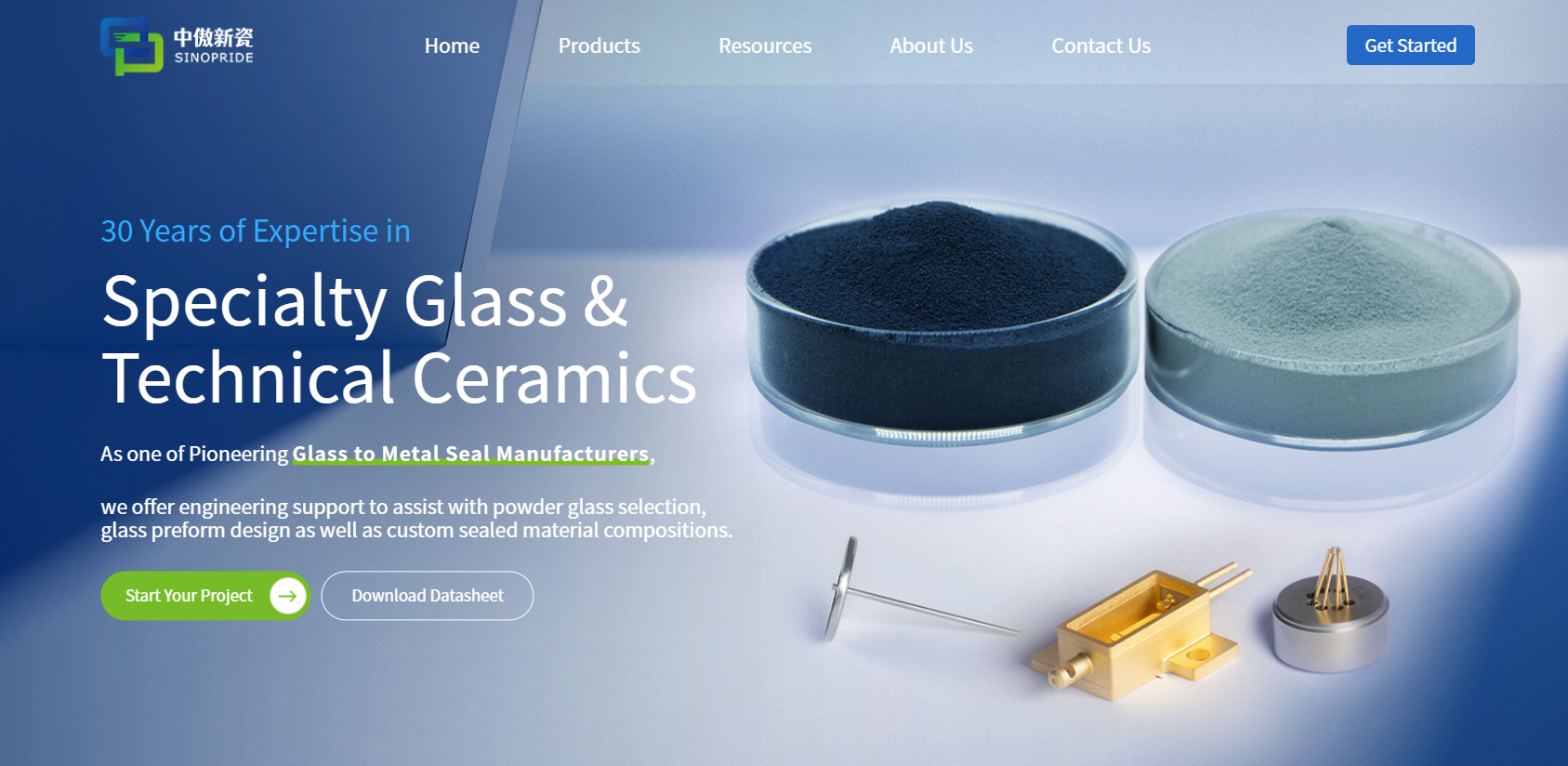
When searching for vacuum-insulated bottles or products that require high-quality hermetic seals, it is essential to consider glass-to-metal seal manufacturers. These manufacturers specialize in producing high-performance seals that maintain the integrity of the insulation and ensure long-term durability. Look for companies with a strong reputation for producing reliable, airtight seals to enhance the longevity and effectiveness of your vacuum-insulated bottles.
FAQs
How to DIY Ceramic Coating?
DIY ceramic coating kits are available for both automotive and household items. To apply ceramic coating, first, clean the surface thoroughly, ensuring it’s free from contaminants. Apply the coating in small sections using the included applicator, and allow it to bond to the surface. Buff off any excess coating to achieve a smooth finish. Follow the manufacturer’s instructions for the best results.
What is a Vacuum Insulated Bottle?
A vacuum-insulated bottle is a container designed to keep beverages at the desired temperature for extended periods. It features a double-walled design with a vacuum layer between the walls, which acts as an insulator. This design helps prevent heat transfer, keeping drinks hot or cold for hours.
How to Apply Ceramic Coating?
To apply ceramic coating, clean the surface thoroughly to remove dirt and contaminants. Apply the coating evenly across the surface, working in small sections. After application, allow the coating to cure for the recommended time. Finally, buff the surface to remove any excess and achieve a smooth, shiny finish.
Recommended Reading:
1.How Does a Vacuum Flask Work?
2.How Does a Vacuum Flask Keep Liquids Hot?
3.Best Ceramic Coating for Cars: Is Technical Ceramics Worth It for Your Business